
Post-Summer Curl Care: How to Reset Your Curls for Fall
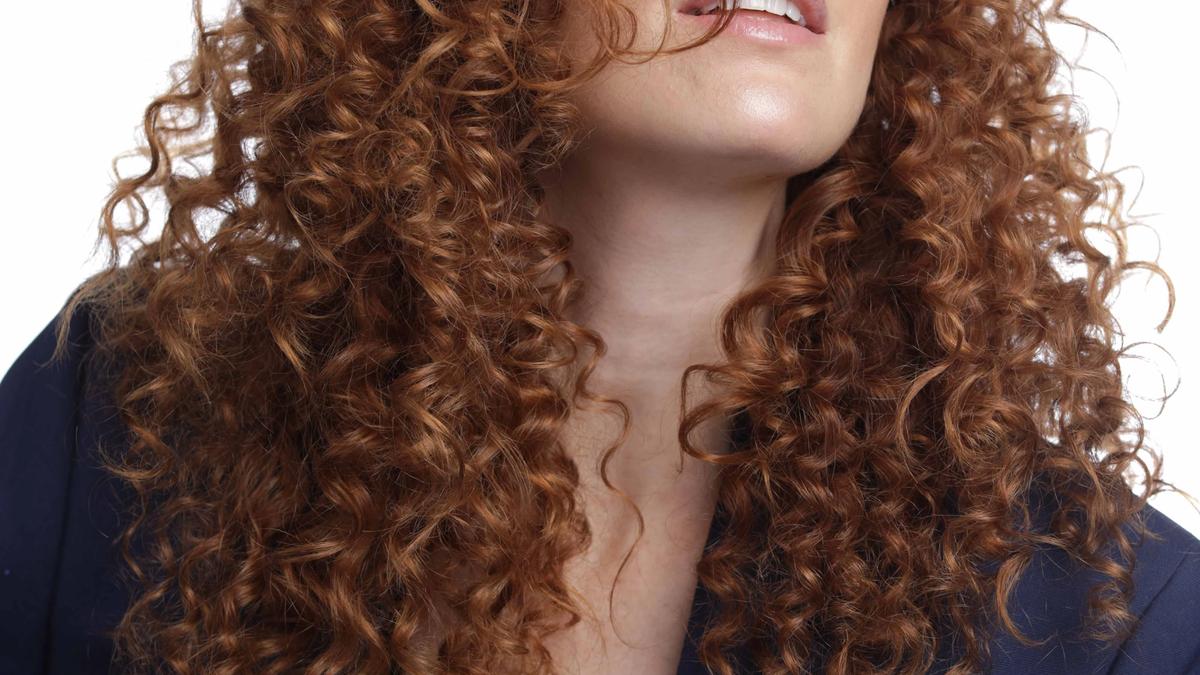
Your curls aren't broken. They're coming off summer.
Every fall, curly clients sit in our chairs and say some version of the same thing: "My curls just aren't working anymore." The products that were perfect in July suddenly leave hair frizzy. Curls feel dry, look looser, or won't hold their shape.
If that sounds familiar, take a breath. Nothing is wrong with your hair. Summer exposed your curls to sun, chlorine, saltwater, sweat, and sunscreen for months. Now fall is changing the air around them. Your routine simply needs to change with the season.
This guide explains what's happening, how to tell if your curls took summer damage, and a simple five-step reset to bring back softness, shape, and definition.
The short answer
- Why are my curls frizzy in fall? Drier air outside and heated air inside pull moisture from curls. Dry, summer-roughened hair frizzes more easily.
- Why do my curls look looser after summer? Sun, chlorine, saltwater, and heat can weaken curls. Longer, flatter curls are a common sign of damage.
- How do I fix post-summer curls? Clarify once to remove buildup, rebalance moisture and protein, trim damaged ends, protect from heat, and adjust your styling for drier air.
- Should I brush curly hair? Only when it's wet and coated in conditioner, working from the ends up. Brushing dry curls breaks them apart and causes frizz.
Why your curls act up in fall
Curls respond to the air around them more than any other hair type. Fall changes that air in three ways.
1. There's less moisture in the air
Summer's humid air gave many curls extra bounce. As temperatures drop, the air holds less water. Curl experts point to dew point, not the humidity percentage, as the better measure of how much moisture is really in the air. A lower dew point usually means drier, frizzier curls. Check it in your weather app before you style.
2. Indoor heat dries hair out
Once the heat comes on, you spend more time in dry, artificially heated air, while the cold air outside pulls moisture from your strands too. Curls get squeezed from both sides.
3. Summer left the cuticle rough
The cuticle is the outer layer of each strand. When it's smooth and sealed, it holds moisture in. After a summer of sun and swimming, it's often lifted and rough. That makes hair more porous: it soaks up water quickly but can't hold onto it, so it dries out and frizzes fast when the air turns dry.
Put those together, and it's no surprise your summer routine stops working in October.
Signs your curls took summer damage
Not every bad curl day means damage. But if several of these sound familiar, your curls likely need a reset.
- Your curls look longer, looser, or flatter. Our stylists name stretched-out, flatter curls as a sign of damage.
- Styling takes longer and frizz won't settle. More flyaways and a slower routine are another tell.
- Hair feels rough, gritty, or coated. That's often buildup from chlorine, hard water minerals, or sunscreen.
- Your ends are dry, tangly, or splitting. The ends are the oldest, most exposed part of every curl.
- Your products stopped working. Buildup can block moisture from getting in, so even good products seem to do nothing.
- Color looks dull or brassy. Sun fades color, especially on curls.
"Will my curl pattern come back?"
This is the question we hear most, and the honest answer is: it depends on how much damage there is. Mild changes often bounce back with moisture, protein, and buildup removal. Hair that's truly damaged, though, stays damaged until it's cut off. New growth comes in with your natural pattern, and a good trim helps it shine through sooner.
The 5-step fall curl reset
You don't need a whole new routine. You need a few seasonal changes, done in the right order.
One note before you start: waves, curls, and coils don't all respond the same way. Looser waves are easily weighed down, so they usually do best with lighter products and less of them. Tighter curls and coils tend to be drier and can take richer moisture more often. Adjust each step to your texture, and ask your stylist if you're not sure where you fall.
Step 1: Clarify once to remove summer buildup
Summer coats hair in things your regular shampoo may not fully remove: chlorine residue from the pool, hard water minerals picked up while traveling, and sunscreen that transfers to your hair as a waxy film. Until that layer is gone, moisture can't get in.
- Use a sulfate-free clarifying shampoo.
- Follow right away with a rich conditioner or mask.
- After this reset, clarify about once a month. Clarifying too often can dry curls out and lead to frizz and breakage.
- If you just had color done, wait at least a week before clarifying.
Step 2: Rebalance moisture and protein
Curls need both. Moisture keeps them soft and flexible. Protein keeps them strong and springy. After summer, many people pile on moisture alone, and curls end up puffy and shapeless instead.
A quick way to tell what your curls need:
- If your curls feel —> Stiff, brittle, rough, frizzy
- They likely need —> Moisture
- Try —> A hydrating mask once a week
- If your curls feel —> Limp, mushy, overly stretchy
- They likely need —> Protein
- Try —> A protein or strengthening treatment every two to four weeks
- If your curls feel —> Both, depending on the day
- They likely need —> Balance
- Try —> Alternate moisture and protein treatments
Step 3: Trim the damaged ends
The ends are the most fragile part of every curl. Split, dry ends tangle, frizz, and weigh the rest of the curl down. A trim after summer removes the damage and lets your natural pattern spring back. If your curl pattern has loosened at the ends but not at the root, a trim is often the fastest fix.
Step 4: Protect from heat, inside and out
- Use a heat protectant any time you diffuse or blow-dry.
- Lower the heat setting and diffuse on low airflow.
- Rinse with cool or lukewarm water. Hot water strips moisture.
- At night, sleep on a silk or satin pillowcase, or wrap your hair, to reduce friction and moisture loss.
Step 5: Adjust your styling for drier air
- Layer your products. Apply leave-in, then cream, then gel to soaking-wet hair to lock moisture in.
- Seal your ends with a few drops of lightweight oil once your curls are dry.
- Watch the dew point. On very dry days, lean on creams and oils. On damp days, a stronger gel helps hold your shape.
- Refresh, don't rewash. On second- and third-day curls, mist with water or a refresher spray and scrunch, rather than shampooing again.
When to see your stylist
Some fixes start at home. Others go faster with a professional. Book a visit if:
- Your curl pattern has looser or straight sections that haven't bounced back after a few weeks of care
- Your ends are split, knotted, or breaking
- You've tried clarifying and treatments and your hair still feels coated or rough
- You want a shape change for fall: a cut designed for curls can bring back volume and definition in one visit
- Your color needs a refresh after a summer of sun
At your appointment, tell your stylist how you spent your summer: swimming, beach trips, travel, extra heat styling. It helps us figure out what your curls need, whether that's a trim, a treatment, or a routine change.
Summer was good to you. Now it's time to be good to your curls. A few small changes this month will carry you through fall and set your curls up for winter. And if you want a fresh start, our stylists in SoHo and Brooklyn Heights are here to help with a curl-focused cut, treatment, or a routine made for your hair.
Frequently Asked Questions
Why are my curls so frizzy in the fall?
Drier fall air and indoor heating pull moisture from curls, and hair with a rough, summer-worn cuticle can't hold onto it.
Why are my curls dry after summer?
Sun, chlorine, saltwater, and heat strip moisture, and summer buildup can stop conditioners from getting in.
How do I get my curl pattern back after summer?
Clarify once, rebalance moisture and protein, ease up on heat, and trim damaged ends. Mild changes often bounce back within weeks; badly damaged hair returns only as healthy hair grows in.
How often should I use clarifying shampoo on curly hair?
About once a month, or more often if you swim regularly. Use a sulfate-free formula and always follow with conditioner.
How do I know if my curls need protein or moisture?
Stiff, brittle, or rough curls usually need moisture. Limp, mushy, or overly stretchy curls usually need protein.
Should you brush curly hair?
Yes, but only when it's wet and coated in conditioner, working from the ends up. Brushing dry curls breaks them apart and causes frizz.
Can you use a boar bristle brush on curly hair?
Yes, for smoothing, blow-drying, and taming edges. Use a wide-tooth comb, not a boar bristle brush, to detangle wet curls.
Should I get a trim after summer?
Usually, yes. A trim removes the dry, split ends that cause tangles and frizz and lets your natural pattern show.
Summer was good to you. Now it's time to be good to your curls. A few small changes this month will carry you through fall and set your curls up for winter. And if you want a fresh start, our stylists in SoHo and Brooklyn Heights are here to help with a curl-focused cut, treatment, or a routine made for your hair.